Kavya Rajendran
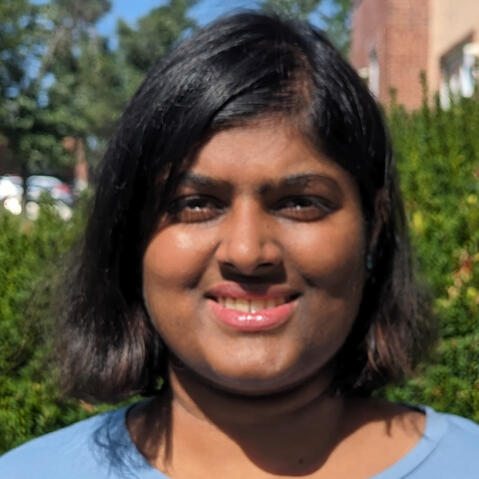
Kavya Rajendran is a second-year PhD student in the Human-Centered Computing program at UMBC. They successfully defended their master's thesis in December 2024. They are interested in Human-Computer Interaction through the lens of Affective Computing, Dance Movement, and Social Computing for the well-being of all people in the present and the future.
Open To Work in Summer 2027
Interested in graduate/PhD level internship roles similar to: UX Researcher, UI/UX Designer, Product Designer.
Kavya Rajendran's
UX Design Projects
UI PrototypingThey have reimagined Men In Black's Neuralyzer.UX ResearchThey collaborated on redesigning Blackboard.Graphic DesignThey have redesigned the mobile app - TV Time.Brand DesignThey have designed a Website Flow in Adobe XD.
HCC 729 - Human-Centered Design Coursework Reflection
Reflecting on Blackboard Redesign
Fictional Redesign UI Protyping
They redesigned a fictional device (Neuralyzer) according to user analysis and task analysis to improve the functionality and aesthetic of the device within the context of use through creative problem-solving and user empathy.
HCC 613 - UI Prototyping Coursework
The Neuralyzer from MIB trilogy
Fictional Redesign UI Protyping
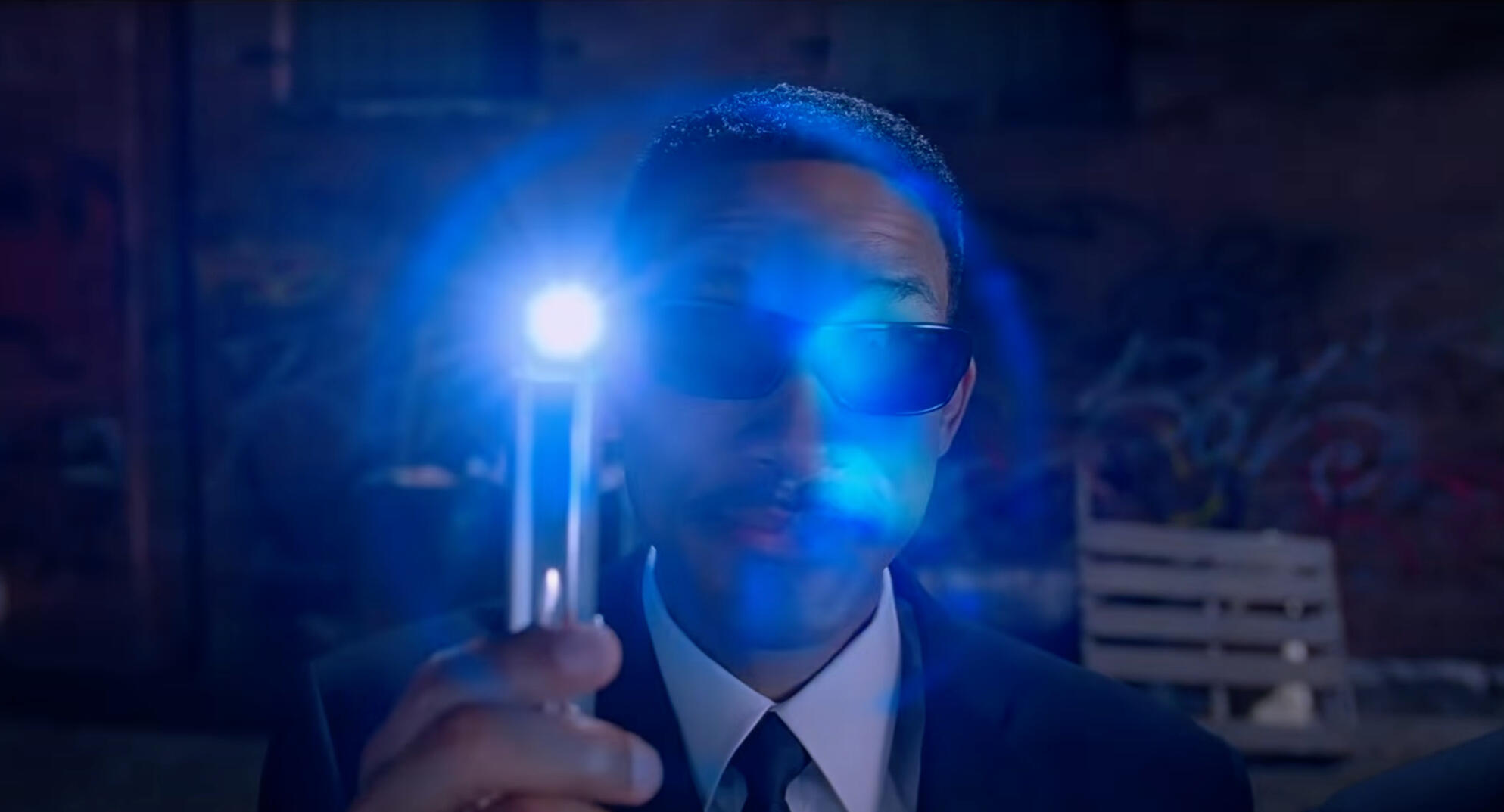
They redesigned a fictional device (Neuralyzer) according to user analysis and task analysis to improve the functionality and aesthetic of the device within the context of use through creative problem-solving and user empathy.
Kavya Rajendran's
HCC Research
They are interested to continue research in the domains of
Affective Computing and Group Work.
IS 805 / In Preparation - Social Media News Consumption
“I Just Scroll”: The Emotional Side of Reading News through Social Media for International Students in the US
Social Media News Consumption International Students
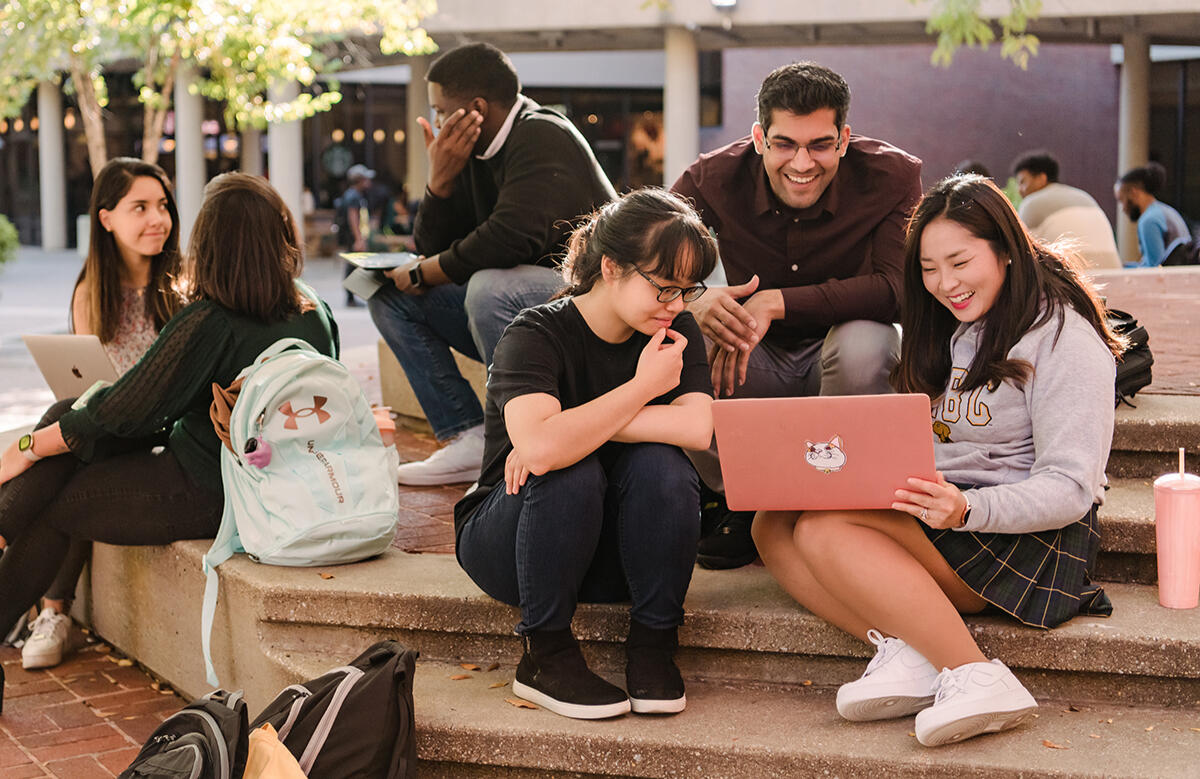
This IRB-approved research project is being conducted by Kavya Rajendran under the supervision of Dr. Andrea Kleinsmith (Associate Professor at UMBC) following the qualitative research course project instructed by Dr. Foad Hamidi.This work examines the online news consumption habits of international students studying in the U.S. and their impact on emotional well-being. To this end, the study interviews international students from various institutions and summarizes the qualitative results. In doing so, it aims to help universities and government agencies understand the current pulse of international students amid the various changes to immigration procedures that directly or indirectly impact this population. This work is in preparation for CHI '27.
HCC 746 / Masters' Thesis - Affective Computing
Effects of Self-Expression Modalities on Positive and Negative Self-Reflection for Emotional Well-Being
Affective Computing Multimodal Self-Reflection

This IRB-approved research project was conducted by Kavya Rajendran and Golnaz Moharrer (PhD student) under the supervision of Dr. Andrea Kleinsmith (Associate Professor at UMBC).My master's thesis "Exploring the Effects of Self-Expression Modalities on Positive and Negative Self-Reflection Toward the Design of an Interactive Technology for Emotional Well-Being" has been published on ProQuest. Find my thesis here.Published work describing the qualitative data (reflection artifacts and semi-structured interviews) can be found at ICMI 25 conference proceedings:
§Moharrer, G., §Rajendran, K., Pinto, R., & Kleinsmith, A. (2025). Write! Draw! Move!: Investigating the Effects of Positive and Negative Self-Reflection on Emotion through Self-Expression Modalities. In Proceedings of the 27th International Conference on Multimodal Interaction (pp. 540-549). ICMI ’25: International Conference on Multimodal Interaction. ACM. https://doi.org/10.1145/3716553.3750798
HCC 760 Report - Human-Computer Interaction
Calling my Long-Distance Grandma: How can Digital Communication Technologies Support Long-Distance Intergenerational Relationships?
Older Adults Digital Communication
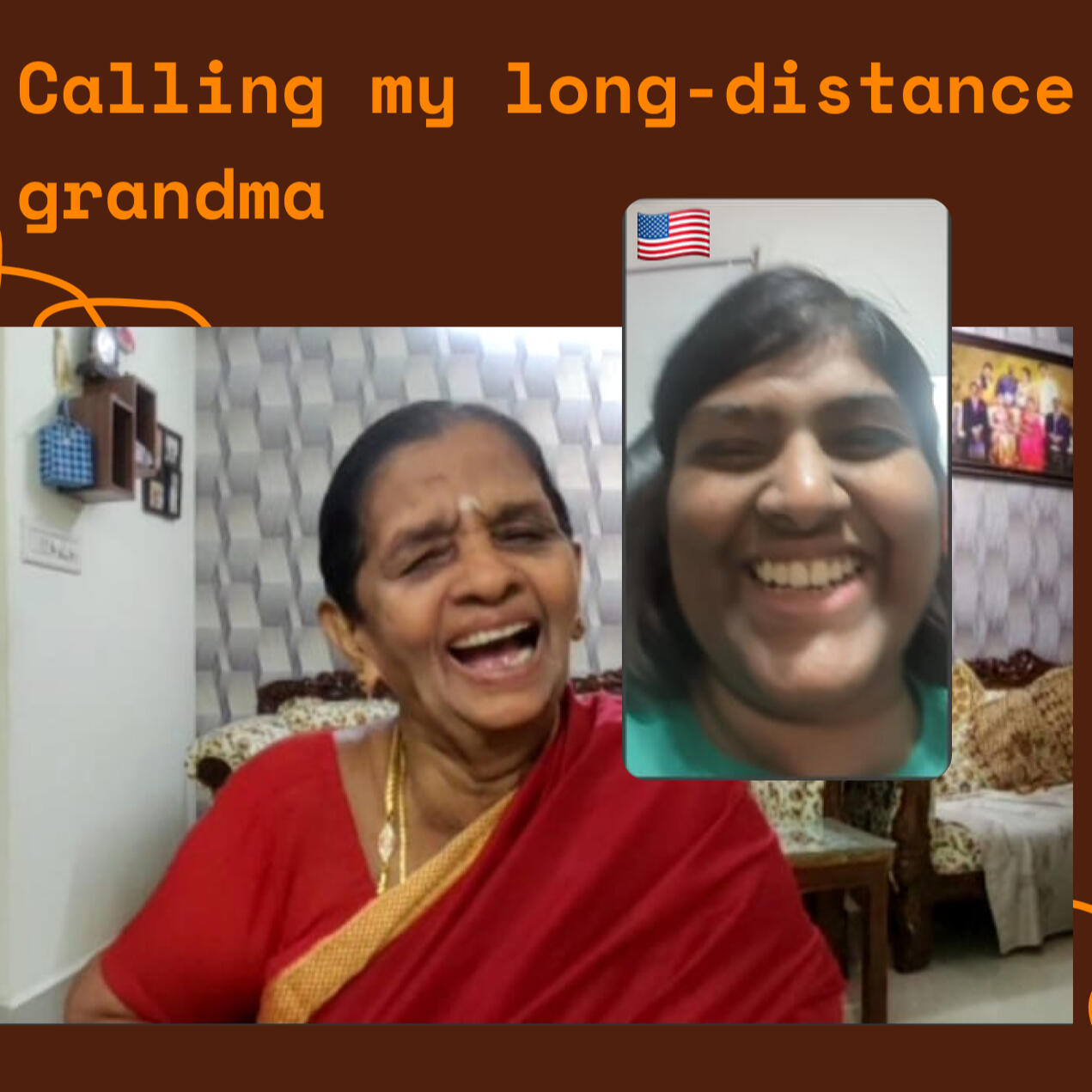
This literature review highlights the significance of digital communication technologies in safeguarding and enhancing intergenerational relationships across long distances. Existing research and systems specifically addressing the conversational needs of grandparents relating to themes of learning, storytelling, unexpected phenomena, sharing experiences or nostalgia, and cultural exchanges are discussed. Integration of storytelling and parent scaffolding are highlighted as features that need to be included in the information and communication technologies (ICTs) targeted at older adults. Future research indicates promise for thoughtfully designed, accessible information technologies overcoming physical and geographical barriers to enable meaningful intergenerational connections globally, but the optimal implementation of the same requires further study.Request access to this report by entering your email in this link.
Undergraduate Final Project
Sentiment Analysis on Movie Reviews
Machine Learning Sentiment Analysis Deep Learning
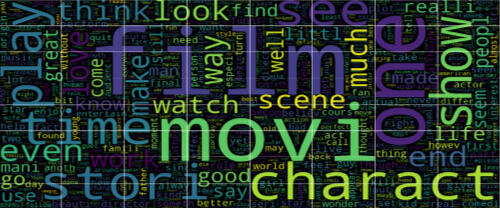
This journal paper puts forth the idea that an efficient deep learning model built using proper methodology would assist people in classifying a movie as good or bad based on the reviews it receives. Two deep learning algorithms named Recurrent Neural Networks (RNNs) and a variant of RNN named Long Short Term Memory (LSTM) are implemented to compare their performance on a movie review dataset and to determine which algorithm yields better accuracy. This ML project was the collaborative effort of Kavya Rajendran, , Kamalishree A , Kavya Rajendran , Priya Shrinithi R under the guidance of Khanagavalle G RFind the journal article published at IJSDR as given below:
"Sentiment Analysis on Movie Reviews", International Journal of Science & Engineering Development Research (www.ijsdr.org), ISSN:2455-2631, Vol.7, Issue 7, page no.5 - 10, July-2022, Available : http://www.ijsdr.org/papers/IJSDR2207002.pdf
Kavya Rajendran is a:
PhD Student
They returned to UMBC to pursue a doctorate degree in Human-Centered Computing after successfully defending their master's thesis.
They are collaborating with Dr. Andrea Kleinsmith and Golnaz Moharrer to contribute towards Human-Computer Interaction research.
They are proficient in UX Design - Visual Design and User Experience Research through their education and design case studies/projects.
They often code some personal projects to unwind (or break their code over at midnight) which usually ends up in their GitHub.
Woman/NB in STEM
Product Enthusiast
They finished their Master's in Human-Centered Computing at UMBC after obtaining their Bachelor's in Computer Science Engineering from SVCE.
When you can’t find them designing or coding, they would probably be listening to music or daydreaming and ideating a fictional world in the digital space.